Waterproofing's Role in Sustainable High-Rise Design
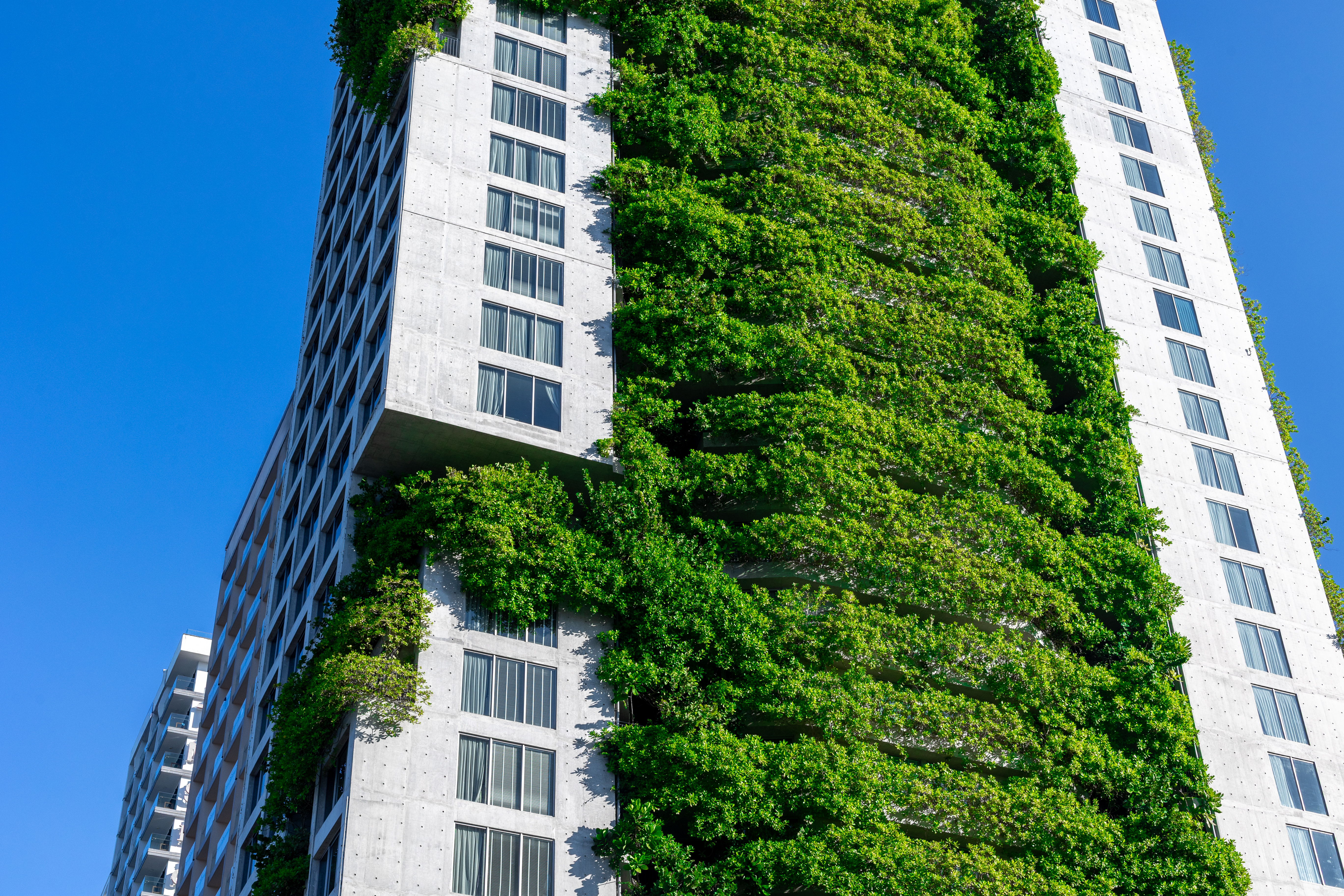
When we think about sustainable high-rise buildings, features like solar panels, green roofs, and energy-efficient windows often come to mind. These visible elements are crucial, but a building's long-term sustainability is equally dependent on a component hidden from view: its waterproofing system. Effective waterproofing is not just about keeping a building dry; it's a fundamental aspect of sustainable design that enhances durability, improves energy efficiency, and conserves resources.
Waterproofing's Impact on Building Durability
A building's lifespan is a core tenet of sustainability. A structure that lasts longer requires fewer resources for repairs, retrofits, and eventual replacement. Water is one of the most significant threats to a building's structural integrity. When water penetrates a building's envelope, it can cause a cascade of problems that undermine its longevity.
In high-rise buildings, concrete and steel are the primary structural components. Both are vulnerable to water damage. Moisture can seep into concrete pores, and during freeze-thaw cycles, this trapped water expands, causing cracks and spalling. This process exposes the steel reinforcement (rebar) within the concrete to moisture and air.
Once exposed, the rebar begins to corrode. Corroded steel expands, exerting immense pressure on the surrounding concrete and leading to further cracking and structural failure. A robust waterproofing system forms an impenetrable barrier, protecting these vital components from moisture intrusion and significantly extending the building's operational life.
Mitigating Mould and Health Hazards
Beyond structural issues, water infiltration creates the perfect breeding ground for mould and mildew. These fungi release spores into the air, drastically reducing indoor air quality and posing serious health risks to occupants, including respiratory problems and allergic reactions. A building cannot be considered sustainable if it makes its inhabitants sick. By keeping interiors dry, waterproofing is essential for maintaining a healthy and safe indoor environment, a key pillar of green building certifications like WELL and LEED.
Enhancing Energy Efficiency Through Waterproofing
The connection between waterproofing and energy efficiency might not be immediately obvious, but it is substantial. Moisture has a direct impact on the performance of insulation and the overall thermal efficiency of a building's envelope. Solar-reflective roof coatings can reduce energy use and help combat the urban heat island effect.
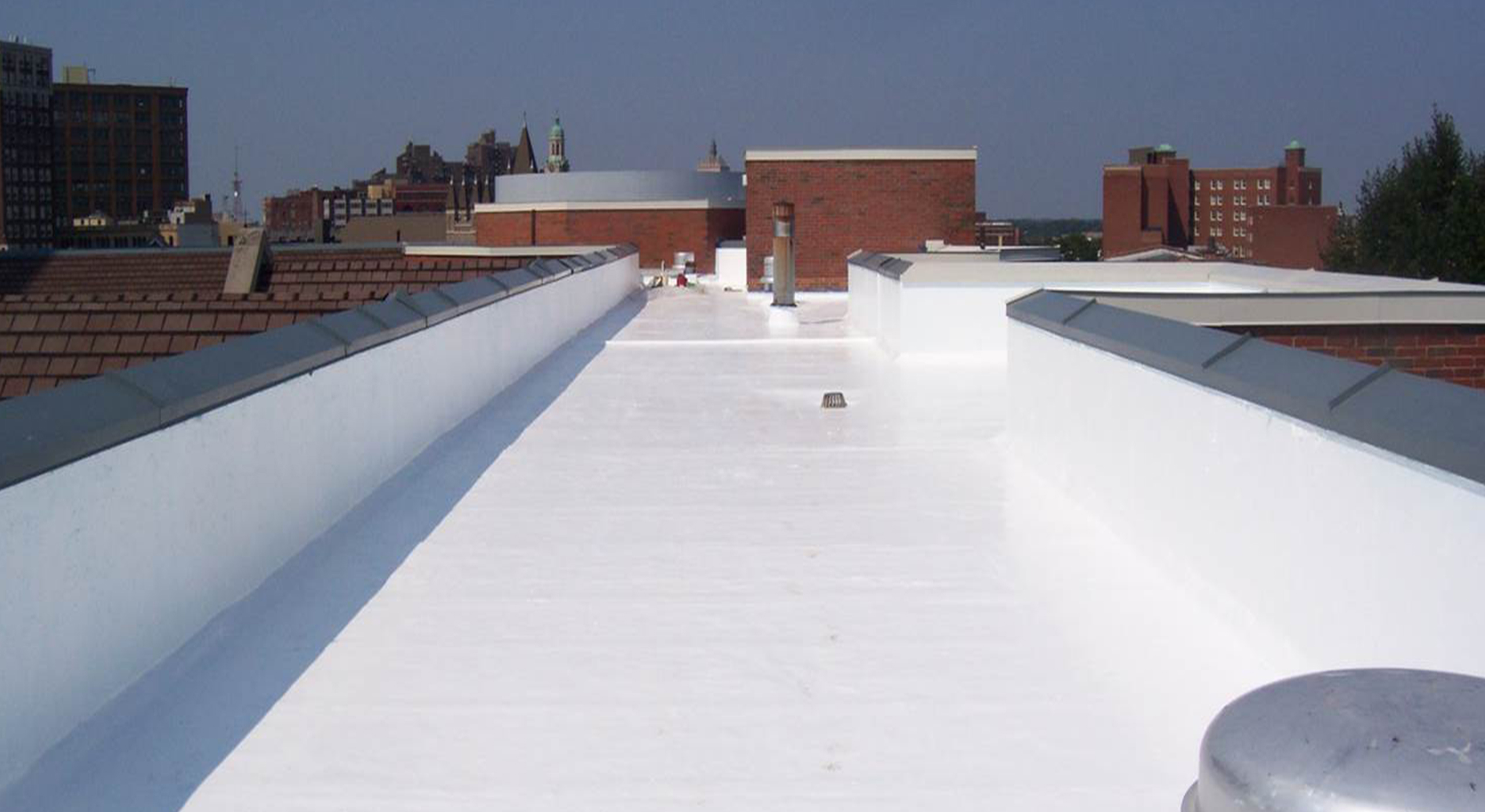
[Solar-reflective coatings such as AlphaGuard Bio White help lower cooling costs and improve sustainability.]
Maintaining Insulation Performance
Most common insulation materials, such as fibreglass and mineral wool, lose their thermal resistance (R-value) when they become damp. Wet insulation is a poor insulator because water conducts heat far more effectively than air. A compromised waterproofing membrane can allow moisture to saturate insulation within walls and roofs, rendering it ineffective.
This forces the building's HVAC system to work harder to maintain comfortable indoor temperatures, leading to a significant increase in energy consumption. By ensuring insulation stays dry, a high-quality waterproofing system helps the building perform as designed, minimising energy waste and reducing its carbon footprint.
Creating an Airtight Building Envelope
Modern waterproofing systems, particularly liquid-applied membranes and self-adhered sheets, also contribute to creating an airtight building envelope. Air leakage is a major source of energy loss in buildings, accounting for a substantial portion of heating and cooling costs. These seamless waterproofing systems help seal gaps and cracks in the building's exterior, preventing uncontrolled air exchange.
This airtightness improves thermal comfort, reduces energy demand, and allows for more efficient mechanical ventilation. In doing so, waterproofing helps buildings meet stringent energy performance standards required by green building codes.
Innovative Waterproofing Materials for Green Buildings
The construction industry is continuously evolving, with new materials and technologies emerging to meet the demands of sustainable design. Waterproofing is no exception. Manufacturers are developing products that are not only effective but also environmentally responsible.
Crystalline Waterproofing
Crystalline waterproofing is a smart technology that works within the concrete itself. When applied to a concrete surface, the active chemicals penetrate the pores and capillaries. In the presence of water, they react with byproducts of cement hydration to form a non-soluble crystalline structure. These crystals permanently block the passage of water, even against extreme hydrostatic pressure.
This technology is sustainable because it becomes an integral part of the concrete matrix, providing lifelong waterproofing. It can even self-heal minor cracks that form over time, reducing the need for future repairs and material use.
Low-VOC and Solvent-Free Membranes
Traditional waterproofing materials often contain high levels of volatile organic compounds (VOCs), which are harmful chemicals that can off-gas into the atmosphere and impact indoor air quality. In line with green building standards, manufacturers now offer a wide range of low-VOC and solvent-free liquid-applied membranes. These products, often based on water or advanced polymers, provide excellent waterproofing performance without the negative environmental and health impacts.
Green Roof Waterproofing Systems
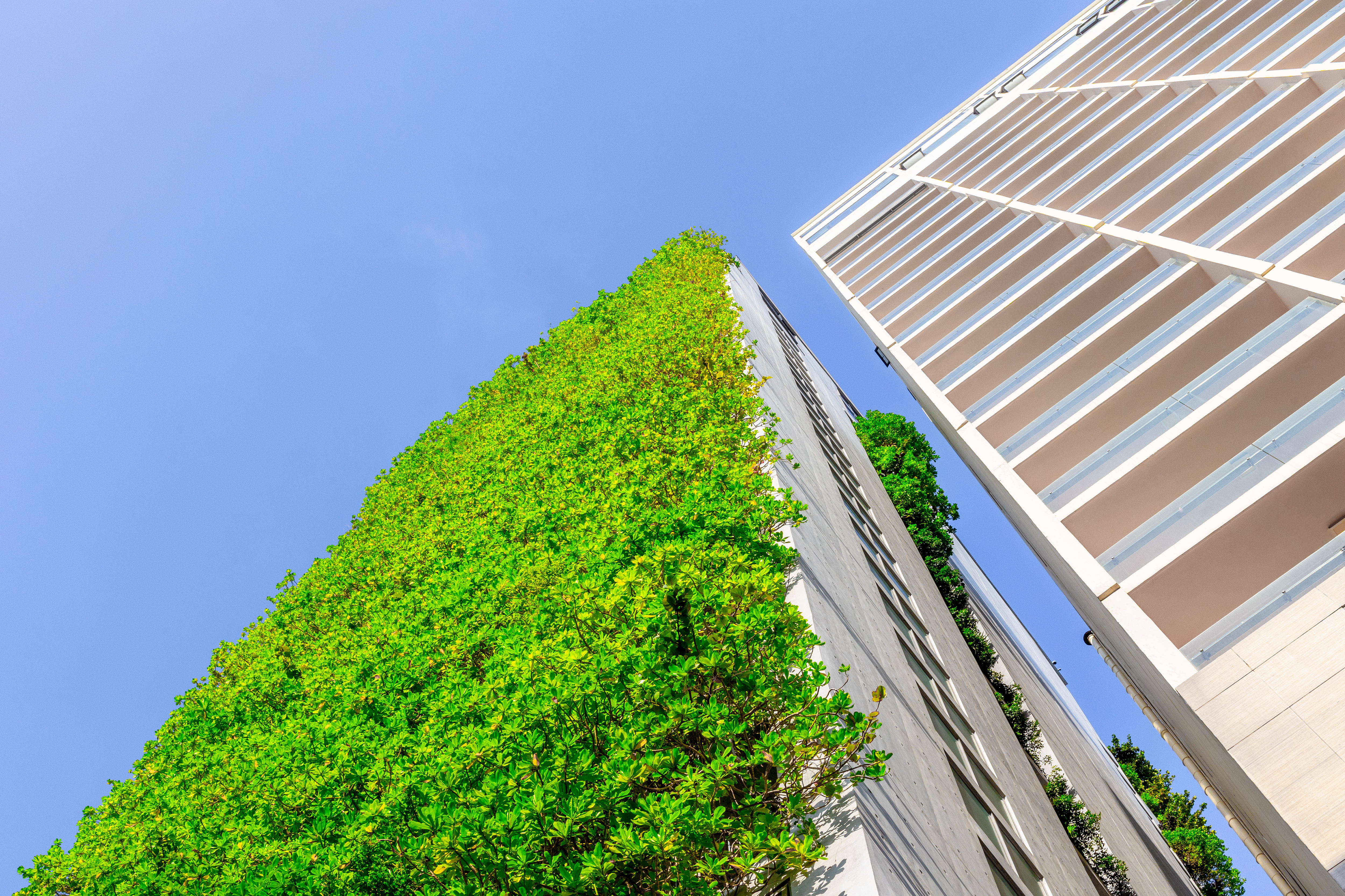
Green roofs are a popular feature in sustainable high-rise design, offering benefits like stormwater management, reduced urban heat island effect, and improved biodiversity. These systems must be root-resistant, durable, and capable of withstanding constant moisture. Specialised green roof waterproofing assemblies are designed to meet these challenges, enabling the successful implementation of living roofs that contribute to a building's sustainability goals. Green roofs enhance performance and building value if done right.
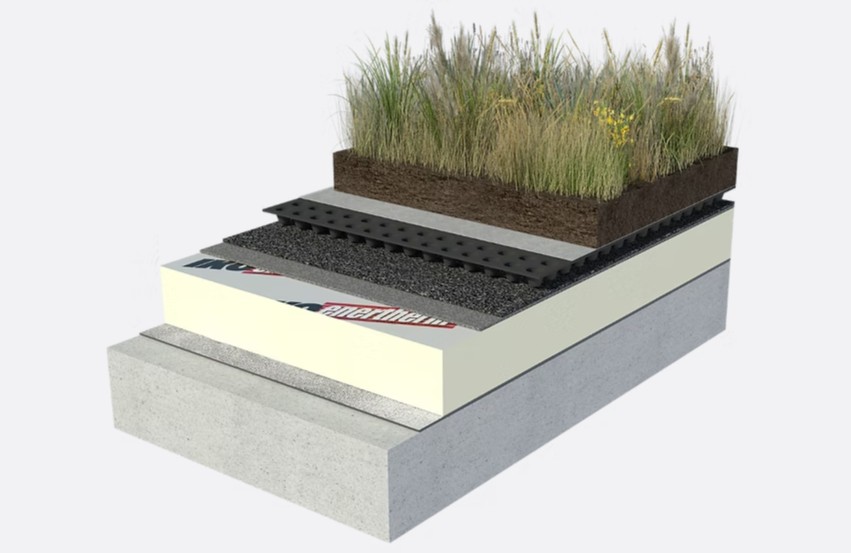
[Nuraply 3PG is an example of a well-designed green roof by Nuralite in NZ]
Real-World Success and Long-Term Benefits
The theoretical benefits of sustainable waterproofing are proven in projects worldwide. For example, high-rises aiming for LEED Platinum or other elite certifications must demonstrate exceptional performance in water management and building envelope integrity. In these projects, advanced waterproofing systems are specified from the outset, integrated with air barriers and insulation to create a holistic, high-performance enclosure.
The long-term benefits are clear:
A Foundation for Sustainability
Waterproofing is more than just a defensive measure against leaks; it is a proactive strategy for building a sustainable future. By protecting structural integrity, enhancing energy efficiency, and promoting healthy indoor environments, it serves as one of the most critical components in green high-rise design.
For architects, engineers, and developers, prioritising high-performance waterproofing is not an expense, it is an investment in longevity, efficiency, and resilience. As we continue to build taller and smarter, let's remember that the most sustainable structures are those built on a foundation of dryness and durability.



 Fire Protection
Embracing Sustainability: The Role of Fire Protection Mortars in Modern Construction
Fire Protection
Embracing Sustainability: The Role of Fire Protection Mortars in Modern Construction
Fire protection mortars are primarily used to provide fire resistance to various structural elements such as steel beams, columns, and concrete upgrades...
 Waterproofing
 Challenges in High-Rise Construction
Waterproofing
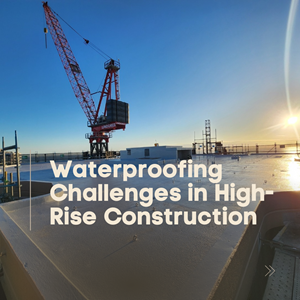
Waterproofing Challenges in High-Rise Construction
High-rise buildings dominate Australia's urban landscape, from Sydney's towering residential complexes...