Can High-Rise Living Help Solve Australia’s Housing Crisis?
Australia is in the middle of a housing crunch. Vacancy rates are at historic lows, rents keep climbing, and home ownership feels out of reach for many families. The government has committed to building 1.2 million new homes by 2029 through the National Housing Accord, but right now we are falling short.
High-rise apartment buildings are often seen as part of the solution. They allow more homes in areas where land is limited and help people live closer to jobs, transport, and services. But while they can ease supply pressures, they also raise questions about quality and long-term durability.
![[Newly built residential high-rise apartments on Parramatta River in Wentworth Point]](/TremcoAustralia/media/SiteAssets/Blog%20Assets/Can%20High-Rise%20Living%20Help%20Solve%20Australia%e2%80%99s%20Housin/High-Rise-Living-Blog-Image-01.jpeg)
Where Are High-Rises Being Approved?
Recent data from ABS shows apartment approvals are rising across the country. In New South Wales, Sydney continues to lead the way, with plans to deliver more homes near transport hubs. Victoria is pushing ahead with its Big Housing Build program, which includes replacing older social housing towers with modern apartments. Queensland is seeing strong growth in Brisbane and the surrounding region, driven by population increases and infrastructure investment. Western Australia is also gaining momentum as more people choose inner-city living in Perth.
These trends show that high-rise construction will play a big role in meeting housing targets. The challenge is making sure these buildings are safe and built to last.
Why Waterproofing Matters
Waterproofing might sound like a technical detail, but it is one of the most important parts of building a high-rise. When it fails, the consequences can be serious. Water leaks can damage finishes, weaken structures, and create health risks from mould. In Queensland, the average cost to fix a bathroom waterproofing issue is around $25,000 under the Home Warranty Scheme. In a tower, one failure can affect many apartments, leading to major financial and legal problems.
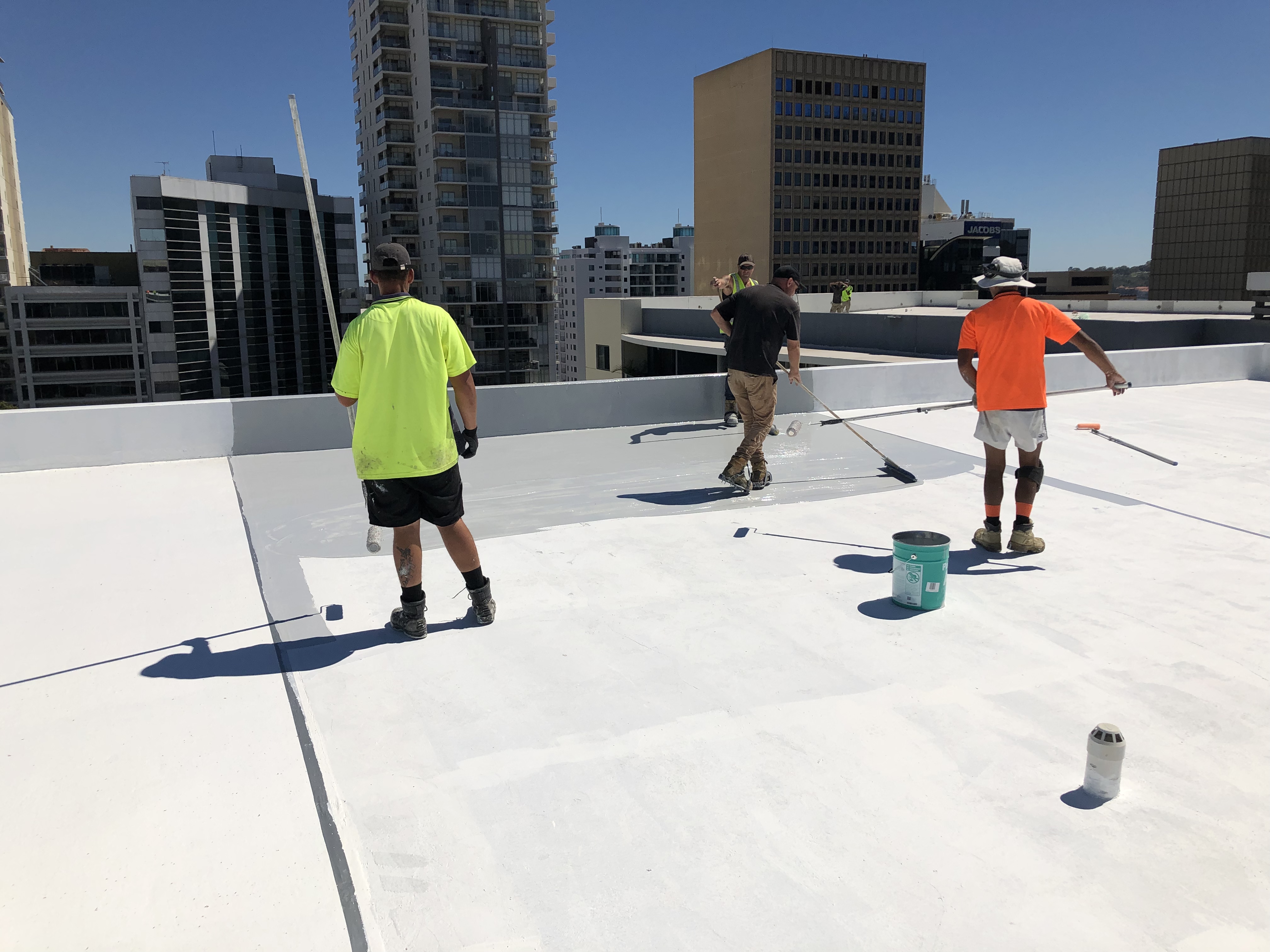
Liquid polyurethane waterproofing systems are widely used in high-rise construction because they provide flexibility and durability. They can handle structural movement and harsh weather conditions, which is essential for tall buildings exposed to wind and rain. Choosing the right system and installing it correctly is critical for long-term performance.
For owners and investors, good waterproofing protects property values and reduces risk. For residents, it means a safe and healthy home.
Building Standards and Better Practices
The National Construction Code sets clear requirements for waterproofing in wet areas, balconies, and façades. These include proper falls to prevent water pooling, membranes applied directly to structural surfaces, and strict compliance checks for installers.
In New South Wales, the Building Commissioner has introduced reforms to improve quality and restore confidence. These include ten-year liability insurance for apartment buildings, stronger audit powers, and action against builders who do not meet standards. These steps are designed to make sure new towers are safe and durable.
Looking Ahead
High-rise apartments are not a quick fix for the housing crisis, but they are part of the answer. To make them work, we need to focus on quality as much as quantity. Waterproofing is not just about keeping water out. It protects homes, investments, and the people who live in them.
As Australia moves toward higher-density living, the challenge is clear: deliver homes quickly without cutting corners. Good building practices and strong compliance will help us get there.
If high-rise living is the future for many Australians, how can we make sure every building is designed and built to protect the people and the investments inside it for decades to come?



 Waterproofing
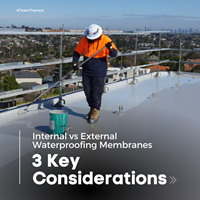
Internal vs External Waterproofing Membranes - What are 3 Key Considerations?
Waterproofing
Internal vs External Waterproofing Membranes - What are 3 Key Considerations?
Waterproofing membranes are crucial elements in construction projects. Discover 3 key considerations when choosing a membrane.
 Waterproofing
’s Role in Sustainable High-Rise Design
Waterproofing
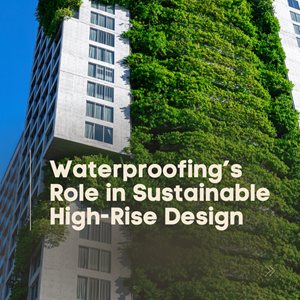
Waterproofing’s Role in Sustainable High-Rise Design
When we think about sustainable high-rise buildings, features like solar panels, green roofs, and energy-efficient windows often come to mind....