
Those seemingly innocent puddles on concrete balconies or parking garages signal a deeper issue. This standing, or "ponding," water is more than a simple nuisance; it's a red flag for potential waterproofing failure and long-term structural damage. Addressing it quickly is essential for maintaining the integrity and safety of your building. This guide will walk you through the causes, risks and effective repair methods for eliminating ponding water.
What is Ponding Water and Why is it a Problem?
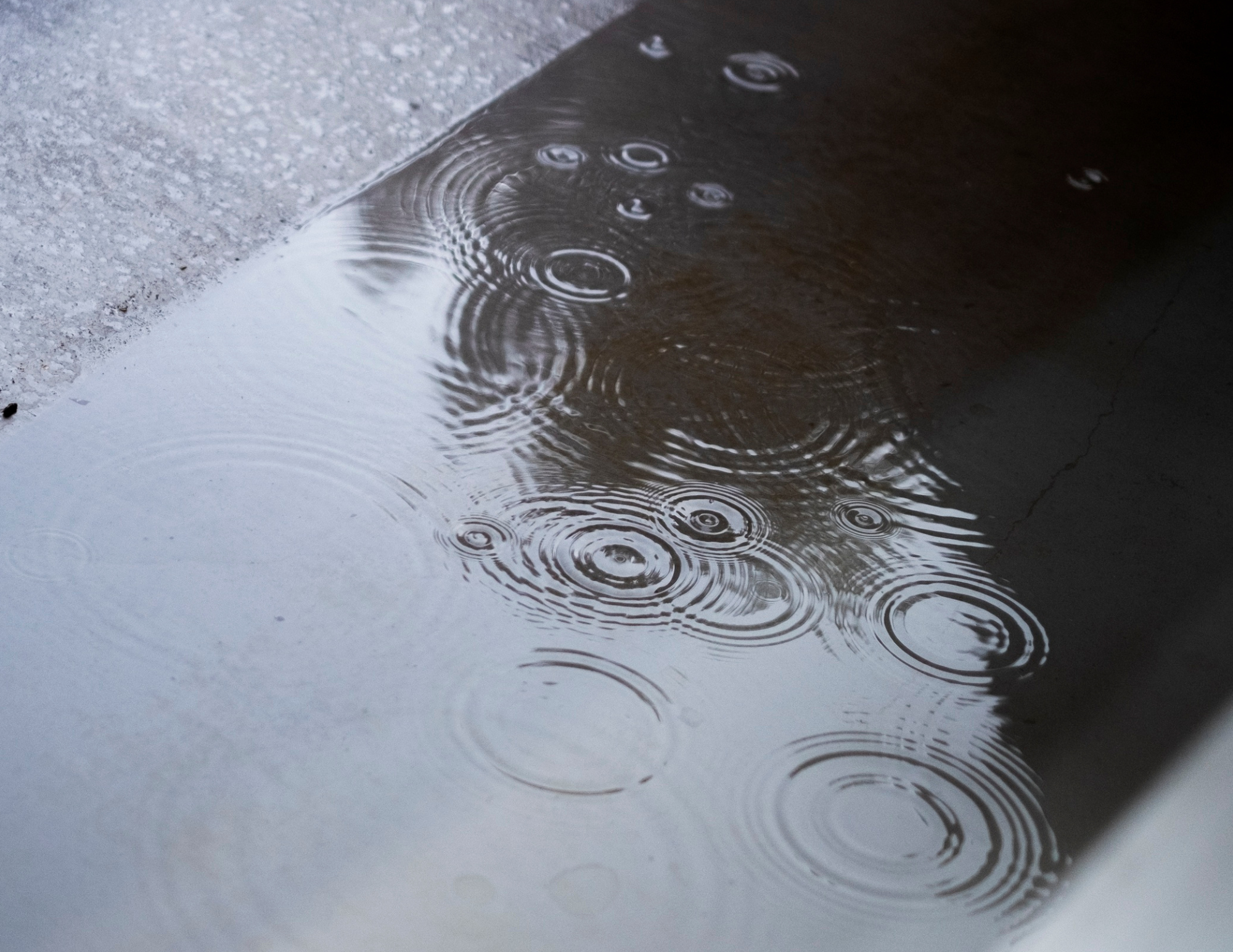
Ponding water refers to water that remains on a surface for more than 48 hours after rainfall, failing to drain or evaporate. On concrete structures, it is often a symptom of inadequate drainage or improper sloping. When water sits for extended periods, it begins to saturate and deteriorate the concrete surface and any underlying waterproofing membranes. This erosion can lead to leaks, compromising the structural steel and causing damage to property on lower levels. For facility managers and building owners, recognising and remediating ponding water is a critical component of proactive maintenance.
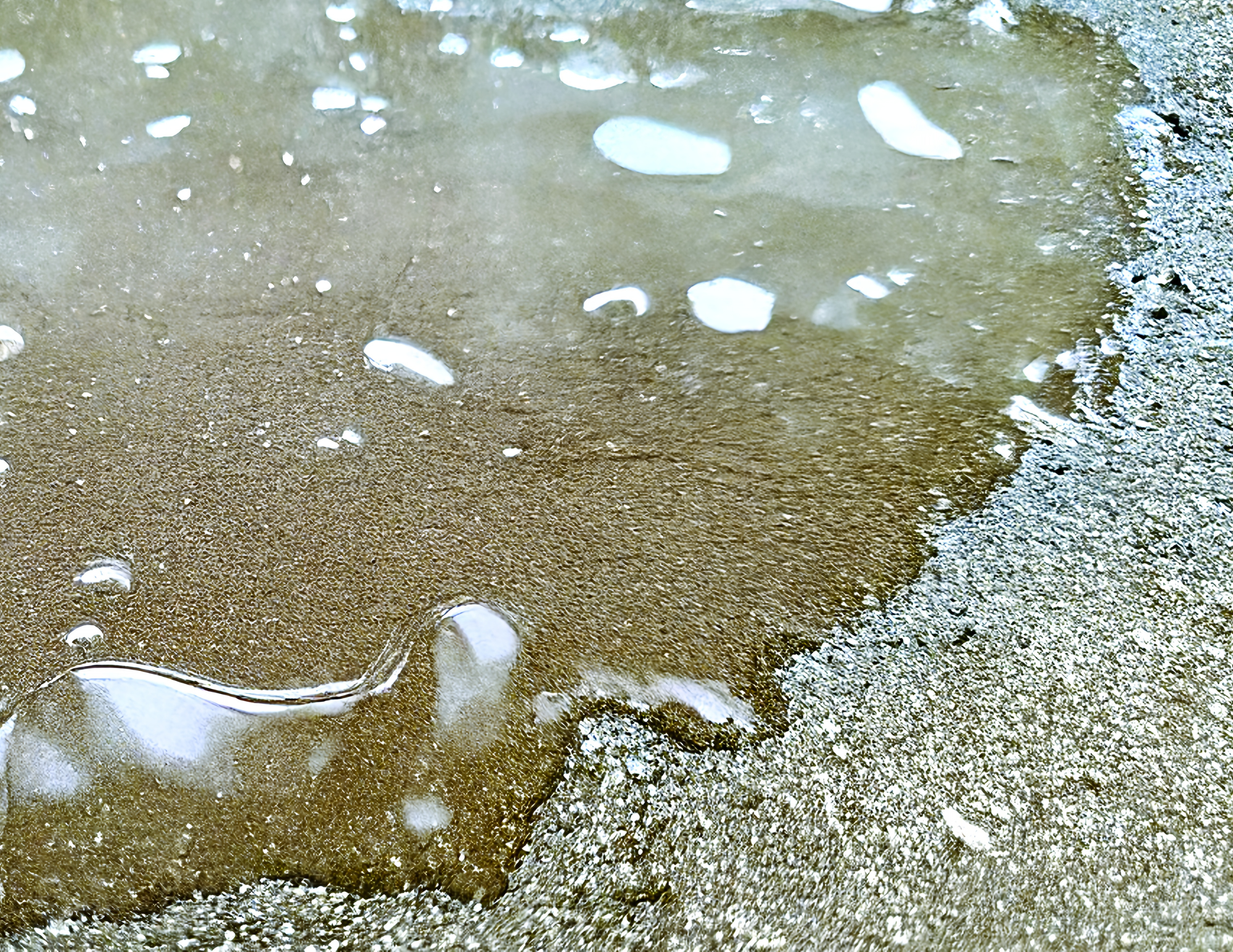
On bare concrete, you will notice visible puddles or dark, discoloured patches indicating saturation. On surfaces with pavers, the issue can be less obvious. Look for signs of algae or mould growth, or the presence of efflorescence - white, chalky streaks that appear as water leaches minerals from the concrete.
Common Causes of Ponding Water
Several factors can contribute to water accumulation on concrete decks. Identifying the root cause is the first step toward a permanent solution.
The Risks of Ignoring Ponding Water
Failing to address ponding water can lead to significant and costly consequences. The persistent moisture creates a cascade of problems that threaten both the structure and its occupants. The primary risks include:
How to Fix Ponding Water
Before beginning any repairs, the first step is always to inspect and clear all drains. This simple action resolves a significant number of ponding water issues. If drainage is clear and the problem persists, you will need to re-establish falls to drainage.
Assess the Existing Surface
Your repair strategy depends on the current state of the concrete deck. You need to determine if you are working with bare concrete or a surface that has an existing waterproofing membrane.
Prepare the Concrete Surface
Proper surface preparation is crucial for a successful and lasting repair.
Repair Cracks and Spalls
Inspect the prepared surface for any imperfections and repair them.
Re-establish Falls to Drainage
This step ensures the substrate is corrected to provide adequate drainage and prevent ponding.
Curing
Allow the newly applied system to cure fully as directed by the manufacturer before permitting any foot or vehicle traffic on the area.
Protect Your Investment with Proactive Maintenance
Ponding water is a clear warning sign of potential damage to your property. By taking swift action to diagnose the cause and implement the correct repairs, you can prevent concrete degradation, system failure and expensive structural issues. Protecting your concrete surfaces from the adverse effects of ponding water is a smart investment in the long-term health and safety of your facility.
For complex issues or large-scale repairs, consulting with a qualified contractor or engineer is always recommended. For more detailed information on restoration solutions, consider downloading a technical guide from a trusted manufacturer.



 Flooring, Concrete & Masonry
Maintenance & Repair in Care: Enhancing Structural Integrity in Healthcare Facilities
Flooring, Concrete & Masonry
Maintenance & Repair in Care: Enhancing Structural Integrity in Healthcare Facilities
In this blog, we look at ways to ensure optimum structural integrity of a healthcare facility...
 Concrete & Masonry, Hot Topics
5 Key Reasons To Coat Your Concrete Floors
Concrete & Masonry, Hot Topics
5 Key Reasons To Coat Your Concrete Floors
Concrete is renowned for its strength and versatility, but without the right protective measures....