The Science Behind Crack Bridging: How Vandex Protects Your Structures
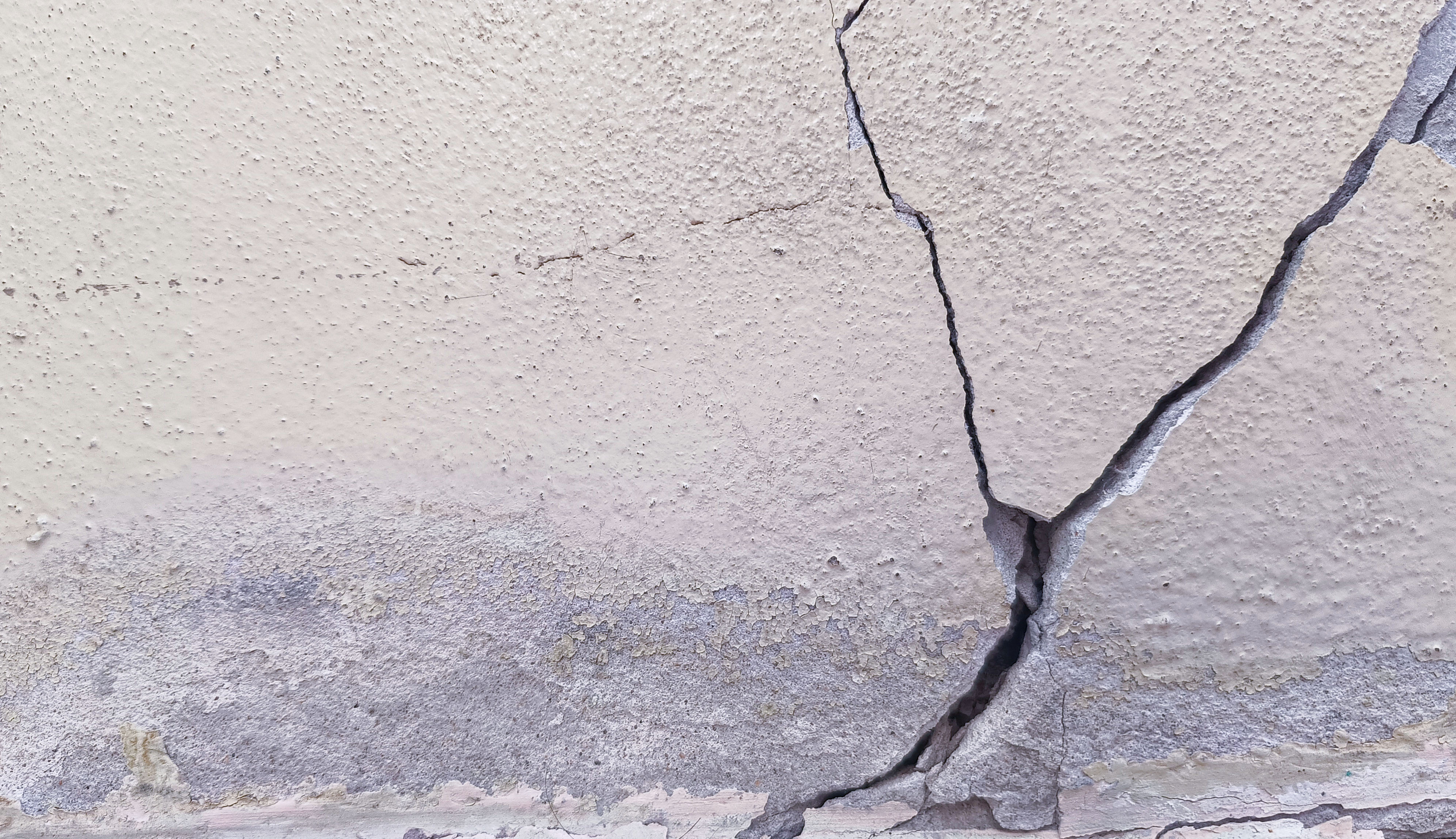
Concrete is the backbone of modern construction. It’s strong, versatile and enduring. But even the best concrete has a weakness: it cracks. Temperature changes, shrinkage during curing and structural movement can all create fissures that compromise a building's integrity. This is where the science of crack bridging becomes essential.
Understanding how to effectively seal and protect these inevitable imperfections isn't just about patching a hole; it's about chemistry and engineering working in harmony. Vandex has spent decades perfecting this science.
In this post, we will explore what crack bridging actually is, why it is a critical challenge in construction and the specific technology behind Vandex's solutions that keep structures watertight and durable for the long haul.
What Is Crack Bridging and Why Does It Matter?
Before diving into the solution, we need to understand the problem. Concrete is a rigid material. When external forces act on it, like the ground shifting or temperatures fluctuating, it relieves stress by cracking.
Crack bridging refers to the ability of a waterproofing membrane or coating to span across these cracks while maintaining its integrity. A coating that is too brittle will simply snap right along with the concrete beneath it. A coating that is too soft might stretch but fail to provide adequate protection against water pressure.
The Challenge of "Moving" Cracks
The real difficulty lies in "dynamic" cracks. These aren't static gaps; they open and close slightly as the building breathes with thermal expansion and contraction.
If a waterproofing layer cannot accommodate this movement, two things happen:
The goal of effective crack bridging is to create a "skin" that is flexible enough to stretch over widening gaps but tough enough to resist high water pressure.
The Chemistry of Vandex: How It Works
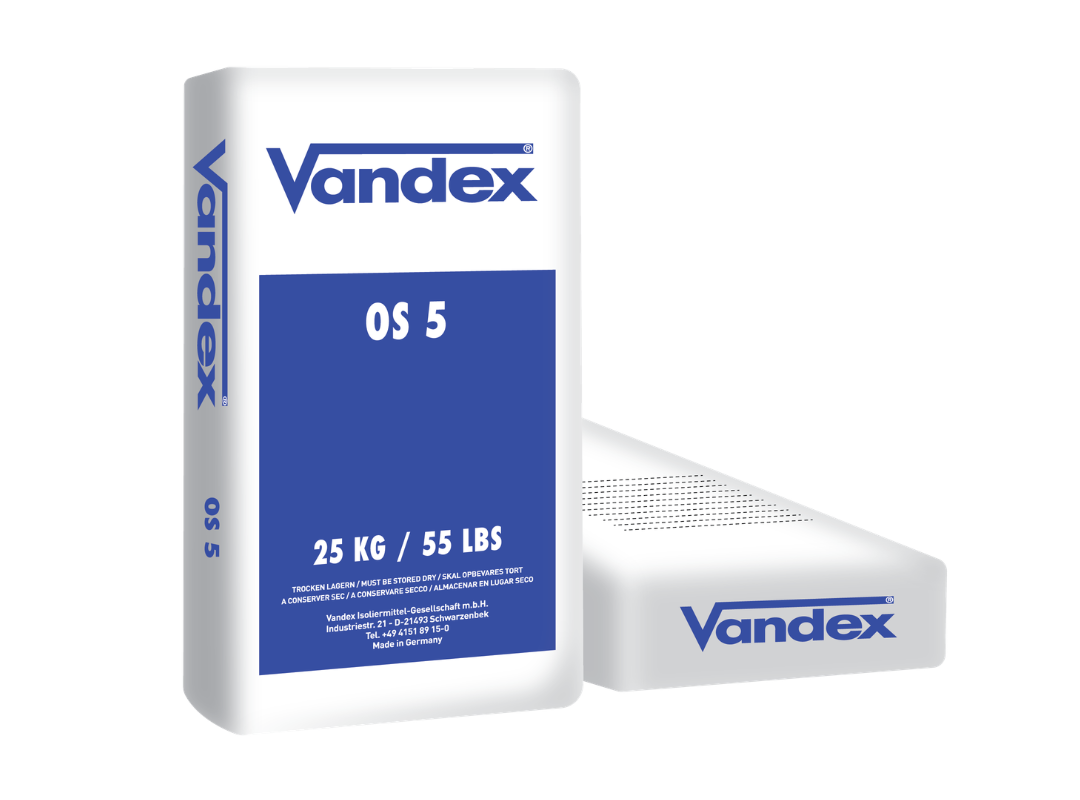
Vandex approaches structural protection through advanced cementitious technology, offering specialised solutions like Vandex OS 5, a 2-component flexible polymer-modified waterproofing and surface protection coating. Unlike simple surface paints that peel off, Vandex products are engineered to interact directly with the concrete substrate for a more durable and long-lasting bond.
Flexible Cementitious Membranes
The core of Vandex's crack-bridging capability lies in its polymer-modified cementitious coatings, such as Vandex BB 75 E. These products combine the strength and compatibility of cement with the elasticity of high-quality polymers.
Here is the breakdown of the chemistry:
When a crack opens beneath a layer of Vandex BB 75 E, the polymer chains within the coating stretch to span the gap. This prevents the coating from rupturing, maintaining a watertight barrier under crack movement when used within the design limits of the system.
Key Innovations in Structural Protection
Vandex hasn't just relied on standard formulas; they have pushed the boundaries of what cementitious waterproofing can do.
1. Superior Adhesion
Many waterproofing failures occur because the membrane delaminates (peels away) from the wall. Vandex formulations are designed for exceptional bonding strength. Because they are cement-based, they have the same coefficient of thermal expansion as the concrete itself. This means they expand and contract at the same rate, reducing stress on the bond line.
2. Vapour Permeability
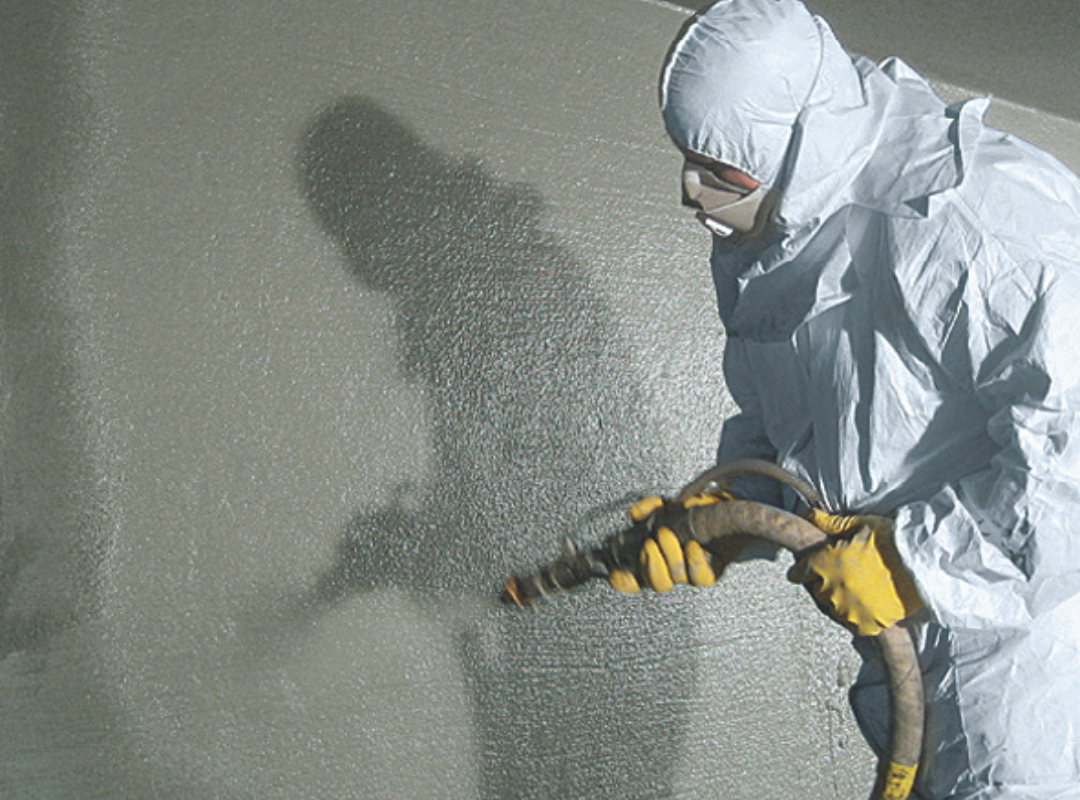
This is a critical, often overlooked feature. Concrete needs to "breathe." If moisture is trapped inside the wall by an impermeable barrier, it can build up pressure and cause the coating to bubble and blister. Vandex coatings are vapour-permeable. They stop liquid water from entering but allow water vapour to escape from the inside out, preventing pressure buildup and ensuring the coating stays attached.
3. Durability Against Aggressive Environments
Structures aren't just attacked by water; they face chemicals, salts and sulphates found in soil and groundwater. The chemical composition of Vandex products makes them highly resistant to these aggressive substances. This chemical resistance protects the underlying concrete from carbonation (which leads to rusting rebar) and sulphate attack.
The Benefits of Choosing Vandex
Why does the science matter to a building owner or engineer? Because the chemistry translates directly to real-world benefits.
Long-Term Cost Effectiveness
Repairing water damage is expensive. Excavating a foundation to fix a failed waterproofing membrane is even more costly. By using a solution that chemically bonds to the structure and bridges cracks effectively, you extend the maintenance intervals significantly. The initial investment pays off by avoiding catastrophic repairs down the road.
Versatility in Application
Because of the varied product range, including advanced flexible coatings like Vandex OS 5, Vandex can be applied to:
This is crucial for renovation projects where digging up the exterior foundation isn't an option. Vandex's flexible coatings can be applied from the inside to stop water that has already penetrated the wall.
Safe for Drinking Water
Many Vandex products are certified safe for use in potable water structures. This makes them ideal for waterproofing water tanks, reservoirs and treatment plants where chemical safety is paramount.
Ensuring Structural Integrity
The integrity of a structure depends on keeping water out. Water is the universal solvent and the primary enemy of concrete durability. When you prevent water ingress through effective crack bridging, you prevent the corrosion of steel reinforcement.
By using Vandex, you aren't just painting a wall; you are engineering a defence system. The polymer-modified membranes handle the movement, ensuring that minor cracks don't turn into major structural failures.
The science behind crack bridging is a blend of flexibility, adhesion and chemical resilience. Vandex has mastered this balance, offering solutions that don't just cover cracks but actively work with the concrete to maintain a watertight seal.
Whether you are dealing with a new construction project or rehabilitating an aging structure, understanding the technology behind your waterproofing choice is vital. Don't let cracks compromise your investment.
Ready to protect your structure with proven science? [Contact our team today to learn more about Vandex solutions tailored to your specific project needs.]



 Waterproofing
Potable Water Applications: Why Vandex is the Industry Standard
Waterproofing
Potable Water Applications: Why Vandex is the Industry Standard
Potable water treatment and storage facilities are essential for public health and the delivery of safe, clean drinking water...