The Science Behind Construction Sealants
Walk onto any commercial job site, and you will see heavy machinery, steel beams, and massive concrete pours. Yet, one of the most critical components of a building's structural integrity comes in a simple cartridge or sausage tube. Sealants defend the building envelope against water intrusion, air leaks, and structural decay. While applying a bead of caulk might seem like a basic finishing task, a complex chemical process occurs the moment that material leaves the nozzle.
Understanding how sealants perform under pressure can save construction professionals time, prevent costly call-backs, and stop severe structural failures. In this guide, we will break down the chemistry of commercial sealants, explore why precise application matters on large-scale projects, and share practical insights for overcoming common job site challenges.
What Are Construction Sealants?
In the commercial construction industry, sealants are high-performance materials engineered to close gaps between structural elements. They block the passage of moisture, air, and environmental contaminants. Unlike heavy-duty adhesives, which rigidly bond two substrates together, sealants accommodate movement. Building materials constantly shift, expand, and contract due to thermal cycles, wind loads, and settling. A commercial sealant must stretch and compress alongside the building without losing its grip.
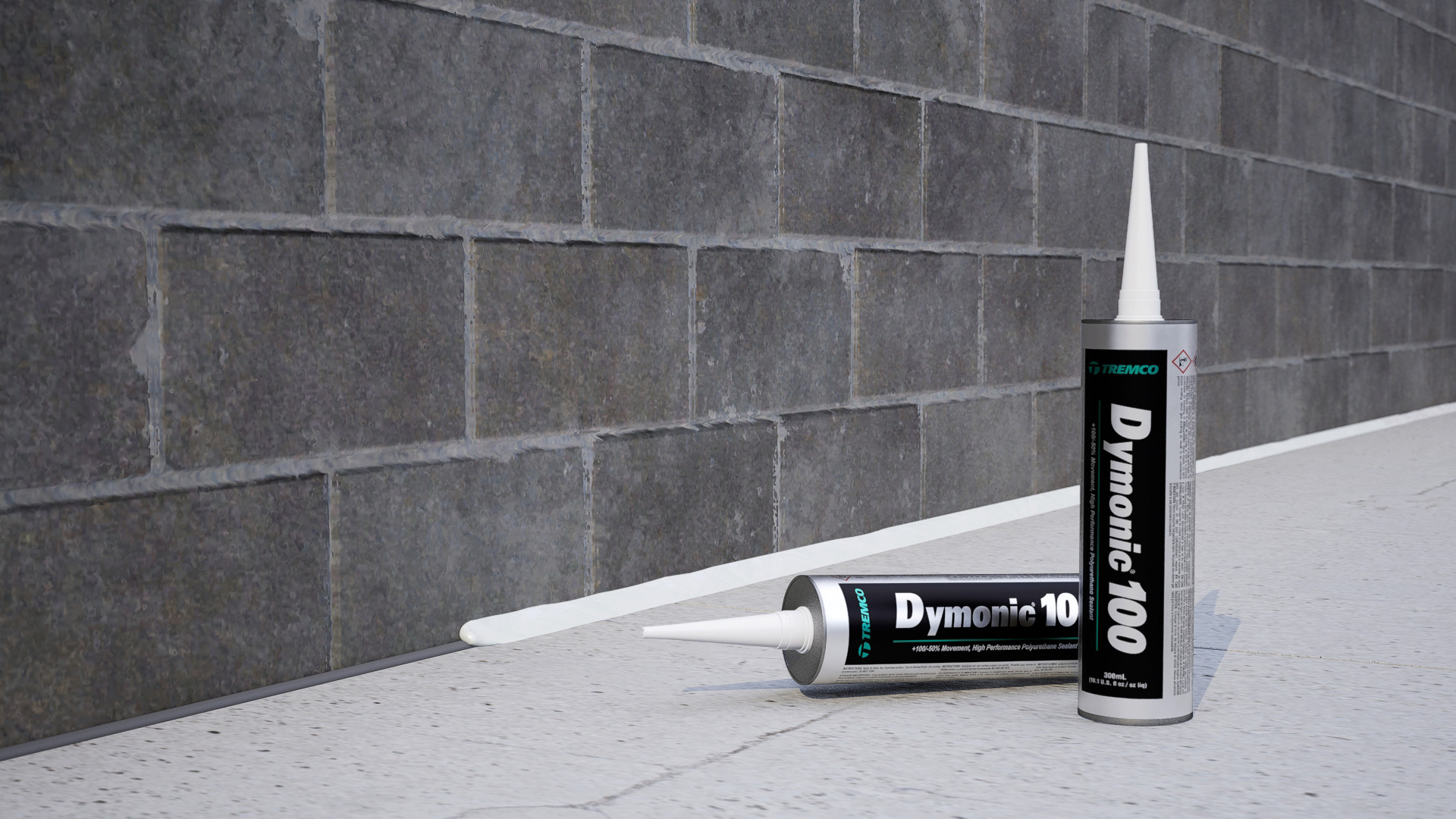
Common Types of Commercial Sealants
Job sites require specialised formulations to handle distinct environments and substrates. Here are the primary sealants used by construction professionals:
The Science of the Seal: Adhesion and Cohesion
To understand why a joint fails or holds strong, you must look at the material on a molecular level. The longevity of any commercial joint relies on its chemical composition and physical properties.
Bonding Mechanisms on the Job Site
Commercial sealants consist of polymer chains that give the material its elastomeric characteristics. When a tradesperson applies a sealant, two critical forces determine the integrity of the joint: adhesion and cohesion.
The Curing Process
When extruded from a bulk gun, sealant is a highly viscous liquid. To transform into a durable, elastomeric rubber, it must cure. Curing is a chemical reaction, not just a drying phase.
Most high-performance sealants used in construction cure by reacting with ambient moisture in the air. As the material absorbs humidity, its polymer chains cross-link, building a robust and flexible matrix. This means job site conditions heavily dictate cure times. A polyurethane sealant applied in a hot, humid environment will skin over and cure rapidly. The exact same material applied during a cold, dry winter month will take significantly longer to reach its full physical properties.
Why Proper Application Matters in Construction
You can specify the most expensive structural silicone on the market, but it will inevitably fail if the installation crew applies it incorrectly. Proper application bridges the gap between theoretical chemistry and long-term structural performance.
The Critical Role of Surface Preparation
Surface preparation makes or breaks the project. High-performance sealants cannot bond to form-release agents, concrete laitance, dirt, or old failing caulk. If you apply a new bead over a dirty substrate, the sealant bonds to the debris instead of the structural element.
Crews must clean substrates thoroughly using the two-rag method with approved industrial solvents. Allow the solvent to flash off completely. Moisture or solvent trapped under the sealant will cause bubbling and destroy the bond. For highly porous surfaces like cast-in-place concrete or limestone, applying a manufacturer-approved primer is mandatory. Primers penetrate the pores and create a chemical bridge, ensuring the sealant bites into the substrate permanently.
Navigating Environmental Challenges
Construction sites expose sealants to harsh conditions before they even cure. Weather plays a massive role in application success.
Applying sealants to substrates that are too hot can cause the material to outgas, creating unsightly blisters. Applying them in freezing temperatures introduces the risk of frost on the substrate, which acts as a barrier to adhesion. Professional crews must constantly monitor ambient temperatures, substrate temperatures, and dew points. When working in challenging conditions, hybrid sealants often provide a wider application window, allowing projects to proceed without compromising the envelope.
Common Job Site Pitfalls and How to Avoid Them
Even veteran tradespeople can make errors that compromise a building's envelope. Here are common construction sealant mistakes to avoid:
When commercial applications fail, the consequences are disastrous. Water penetrates the envelope, deteriorating steel structures, ruining interior finishes, and promoting dangerous mould growth. Replacing failed sealant on a high-rise requires expensive staging, swing stages, and significant labour costs.
The Structural Payoff: Benefits of Doing It Right
When crews prepare the joint correctly and apply the right product, the building owner gains immense long-term value. A properly sealed building envelope offers serious structural advantages.
First, you guarantee exceptional durability. A properly designed polyurethane or silicone expansion joint on a commercial facade can easily endure 20 years of thermal cycling, hurricane-force winds, and heavy rain without failing.
Second, precise application maximises energy efficiency. Commercial buildings with poorly sealed windows and panel joints suffer massive air leakage. This forces commercial HVAC systems to run continuously to maintain interior climates. By investing time in proper surface preparation and high-quality sealant installation, contractors deliver a highly efficient building that costs significantly less to operate.
Best Practices for Construction Professionals
Ready to execute flawless joints on your next commercial build? Follow these essential steps to ensure a resilient, watertight seal.
1. Match the Material to the Substrate
Review your architectural specifications. Evaluate the expected joint movement and the building materials. Ensure the selected sealant offers chemical compatibility with any adjacent waterproof membranes or coatings.
2. Prep and Prime the Joint
Grind away any concrete laitance or rust. Wipe down metal surfaces with an approved solvent. Apply the required primer in a thin, even coat, and respect the primer's flash-off time before applying the sealant.
3. Install the Backer Rod
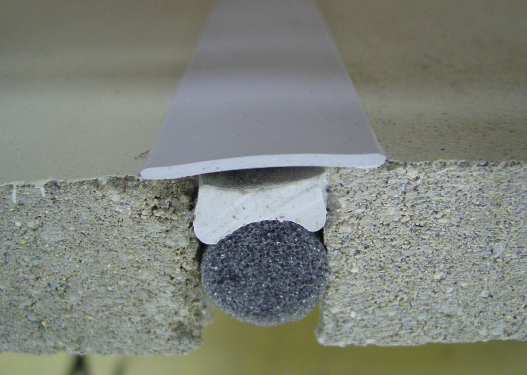
Select a backer rod that is approximately 25% larger than the joint width so it fits snugly. Push it into the joint to the precise depth required to achieve a 2:1 width-to-depth ratio for the sealant.
4. Apply with Precision
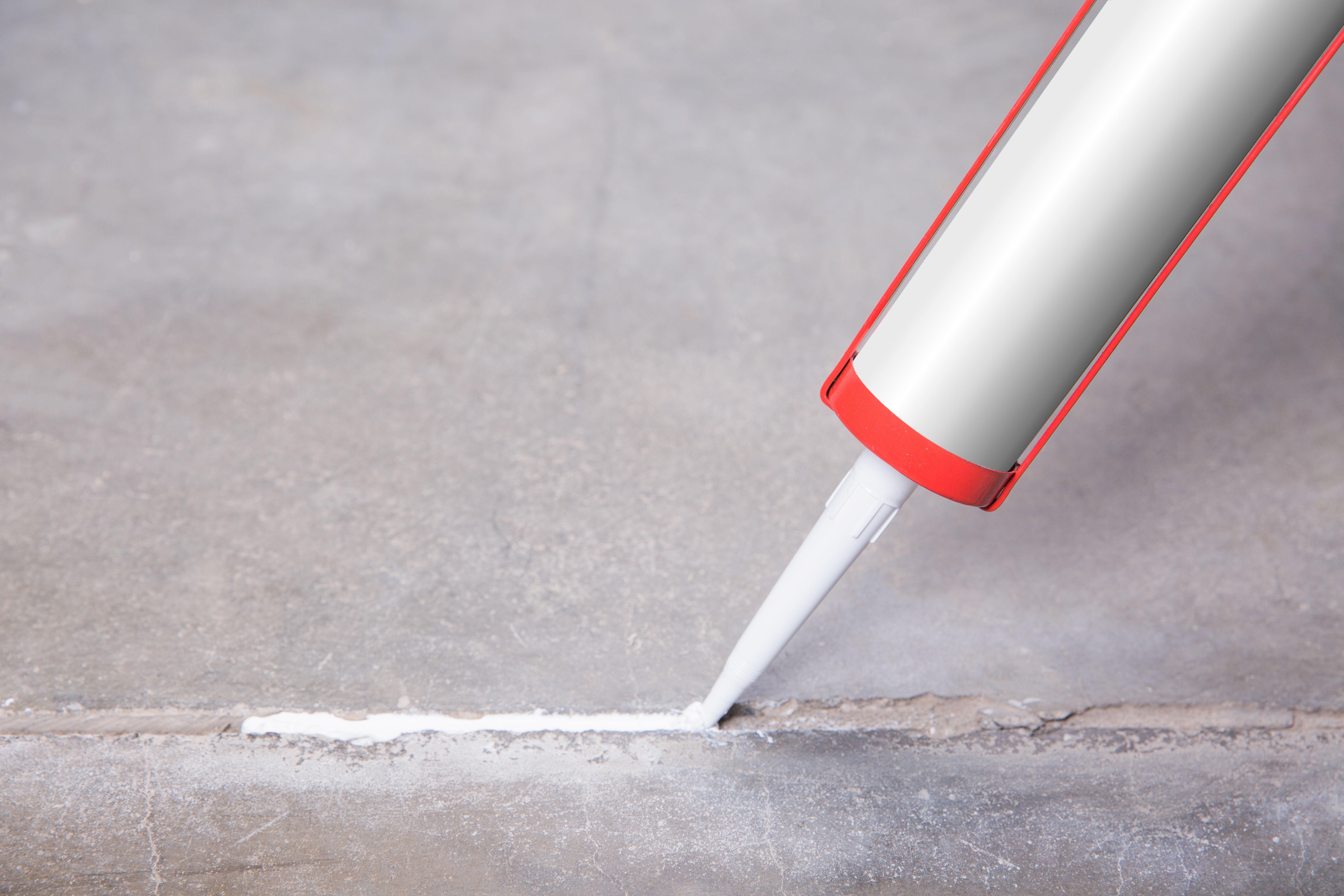
Using a bulk gun or sausage gun, insert the nozzle directly into the joint. Push the sealant ahead of the nozzle to ensure the material completely fills the cavity without trapping air bubbles. Maintain a steady, consistent pace.
5. Tool the Sealant Dry
Immediately tool the joint using a sleek spatula. Press the material firmly against the bond lines to force the sealant into the substrate pores. Avoid using soapy water or solvents to tool the joint, as this alters the surface chemistry and weakens the material.
Conclusion
Construction sealants rely on an intricate blend of polymer chemistry, adhesion mechanics, and environmental adaptation to protect our commercial structures. While manufacturers engineer incredible technology into every tube, the ultimate success of the building envelope rests in the hands of the installation crew.
Rigorous surface preparation, precise joint design, and correct material selection dictate whether a high-rise remains watertight for decades or leaks within a year. By prioritising precision on the job site, construction professionals protect structural assets, prevent costly call-backs, and build facilities that stand the test of time. Take the time to understand the science behind the seal, and you will elevate the quality of every project you manage.



 Waterproofing
Internal vs External Waterproofing Membranes - What are 3 Key Considerations?
Waterproofing
Internal vs External Waterproofing Membranes - What are 3 Key Considerations?
Waterproofing membranes are crucial elements in construction projects. Discover 3 key considerations when choosing a membrane.
 Hot Topics
2025 Construction Trends to Watch in Australia
Hot Topics
2025 Construction Trends to Watch in Australia
As we look toward 2025, here are some key trends to watch in Australia’s construction sector...